WaspAlliance
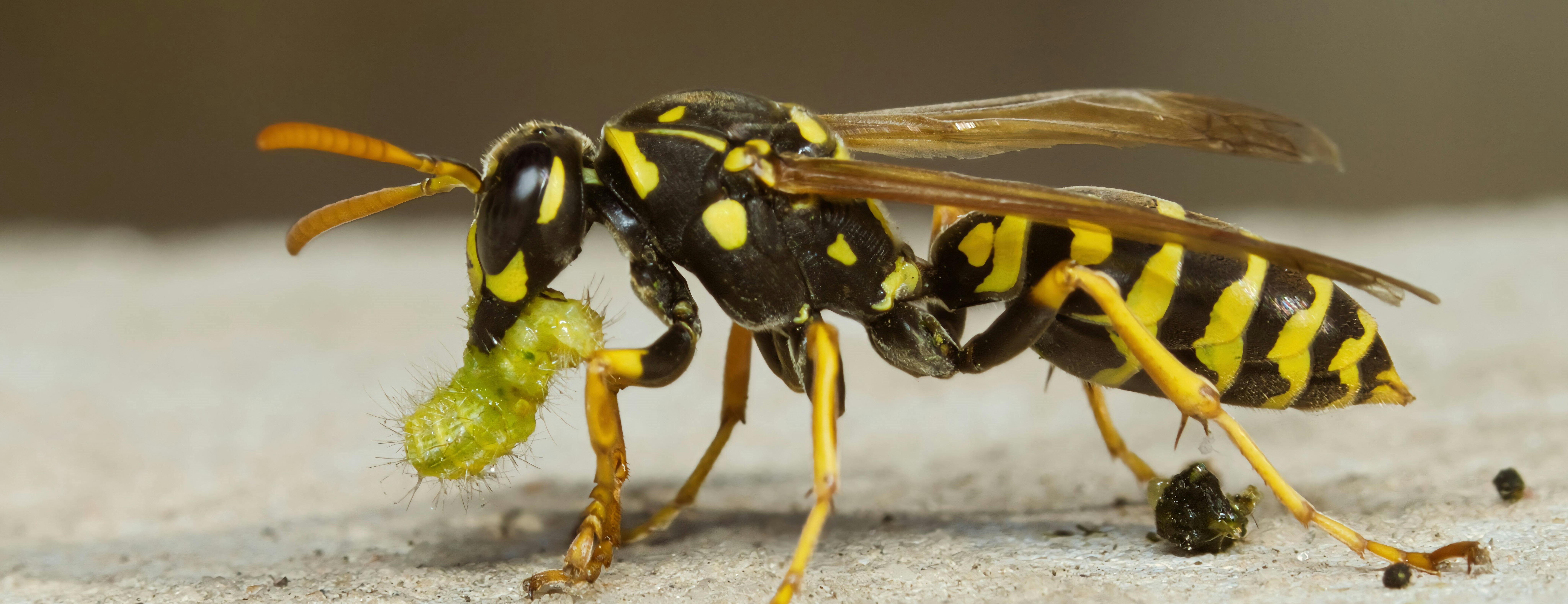
The wasp must ensure sustainable organic plant protection
Is it possible to make friends with a wasp? Yes, if it can supply you with pesticide free food at low prices, save the climate and reduce plastic waste. But how is that possible by a wasp?
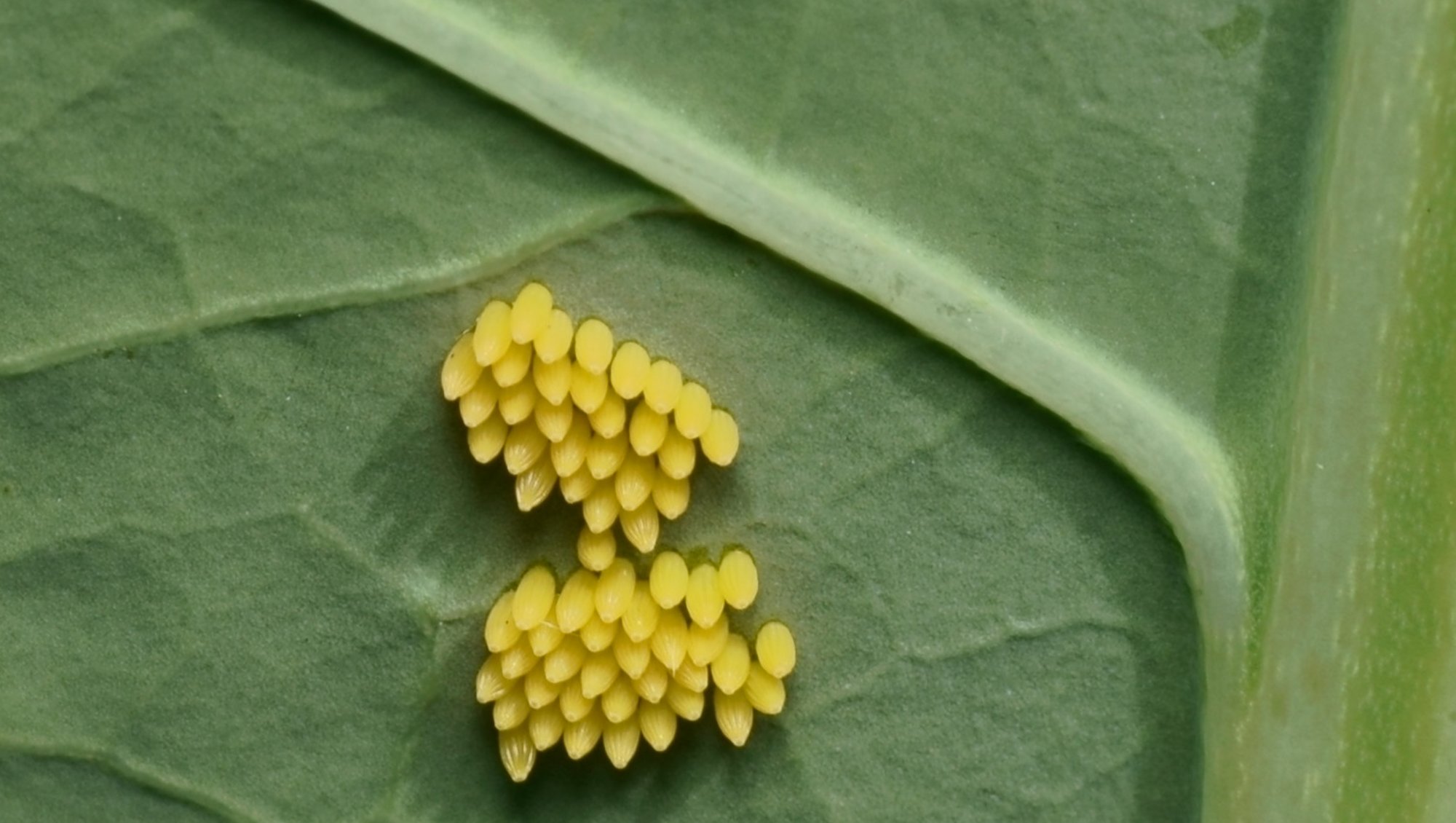
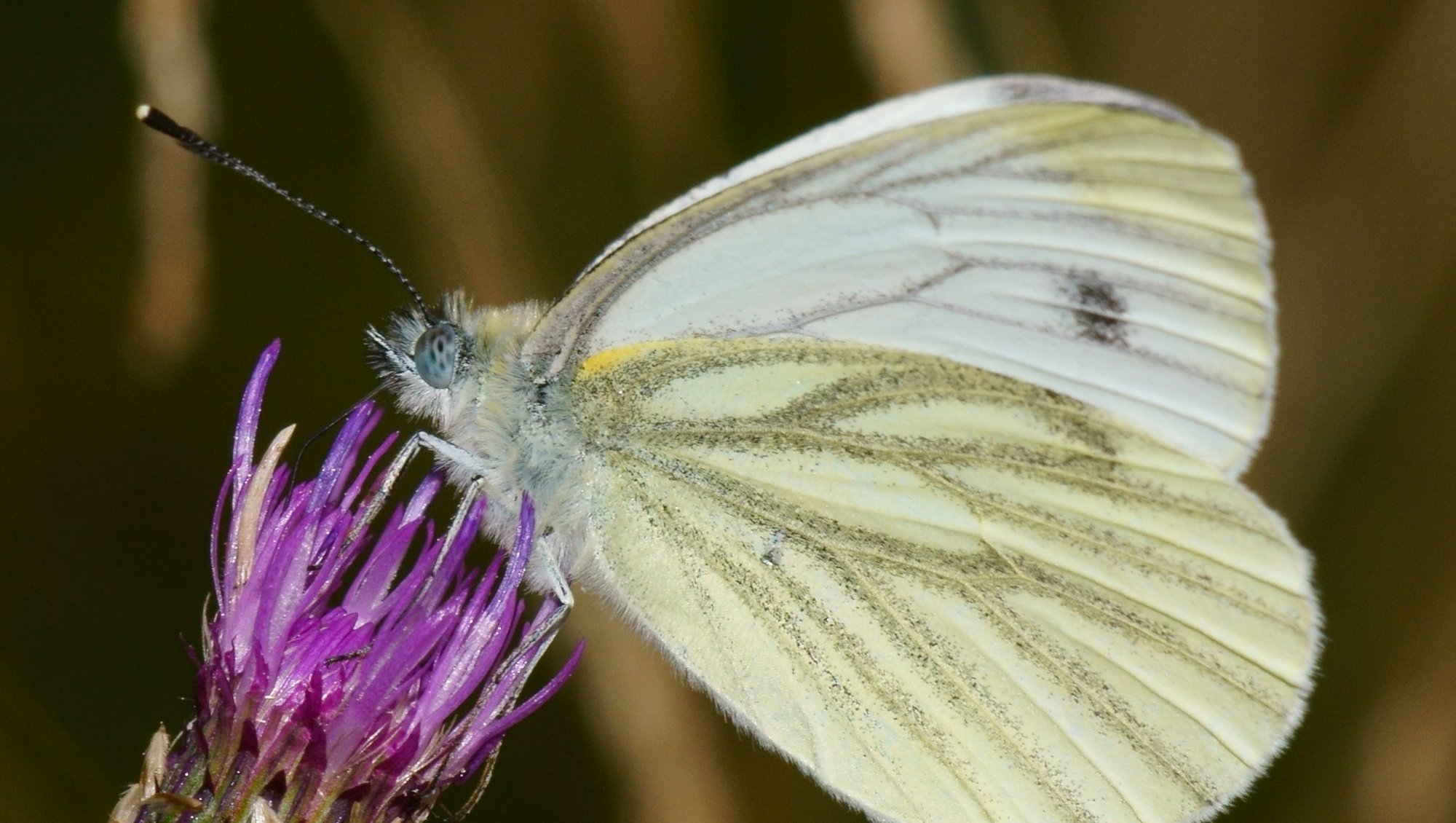
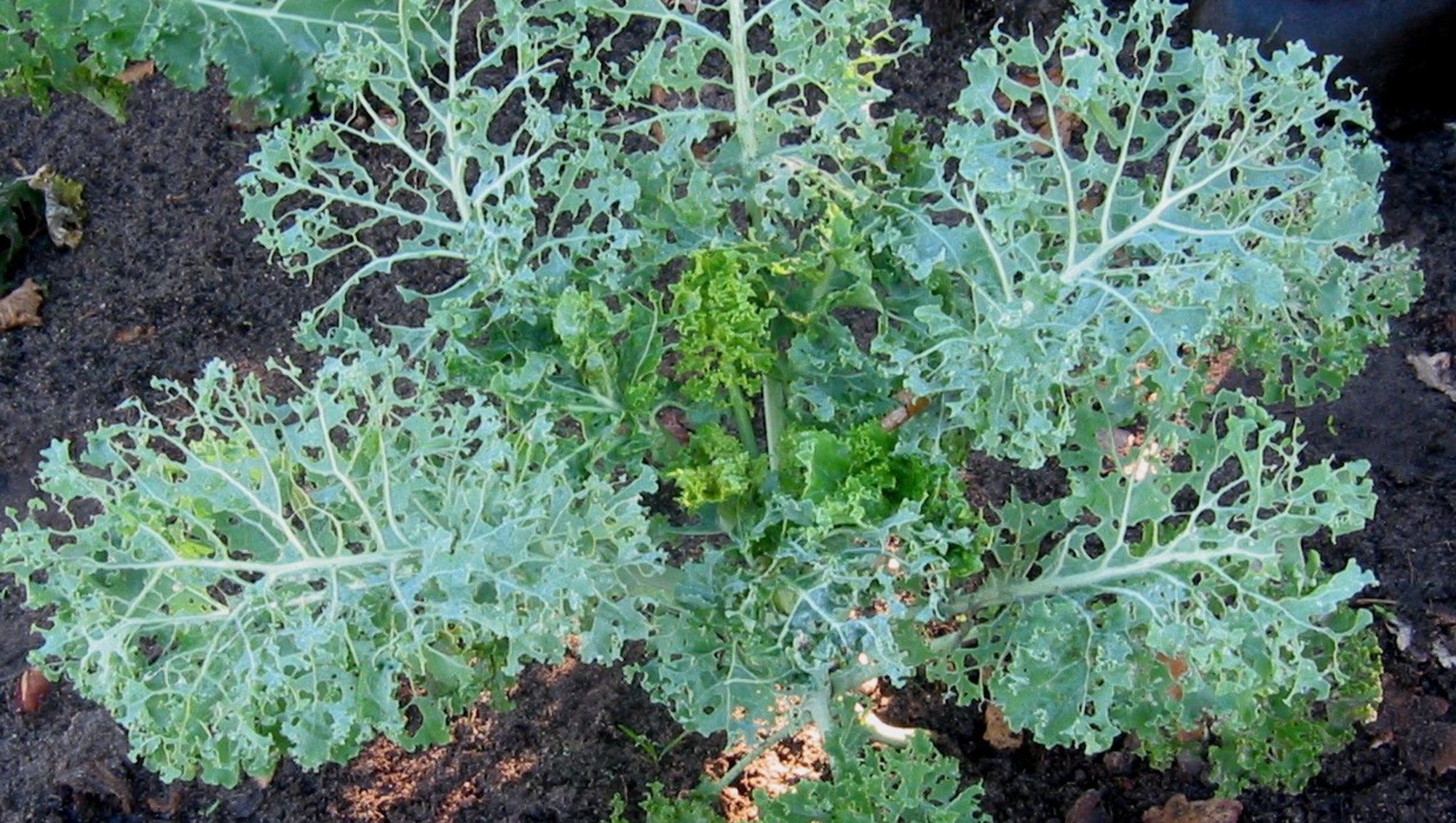
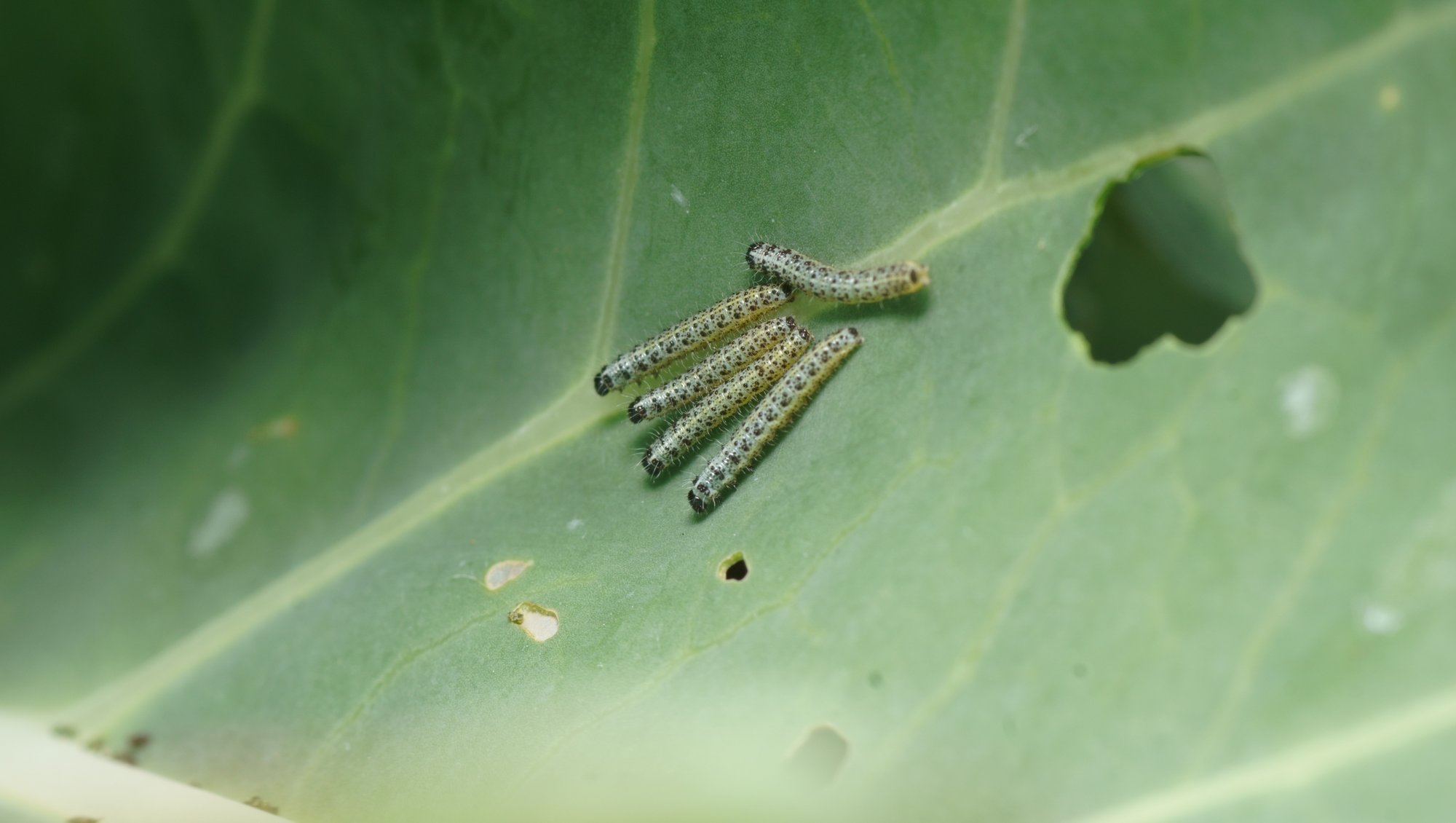
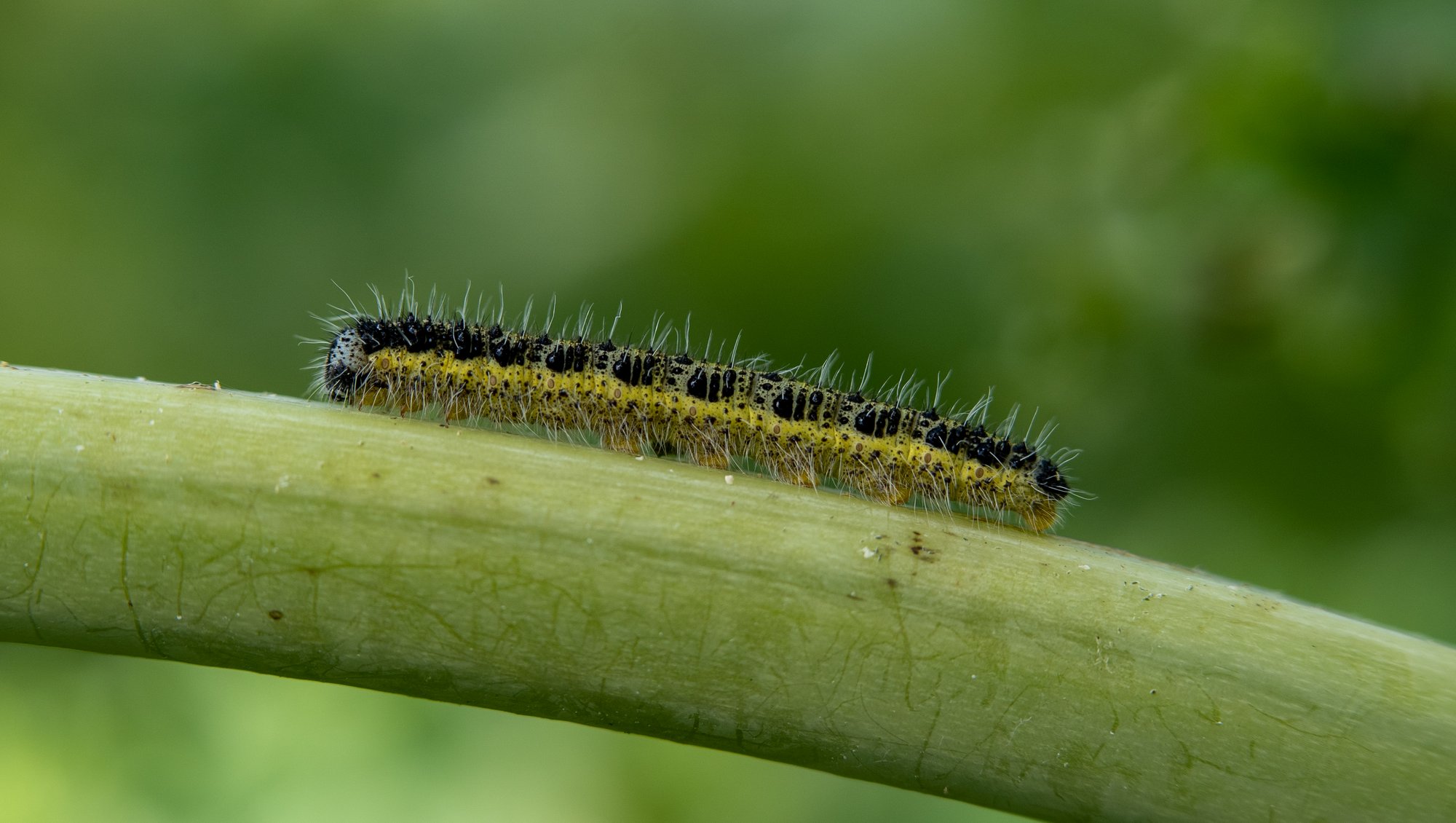
Everyone with a kitchen garden knows the phenomenon where the kale almost "evaporates" at the end of the summer. When the case is investigated more closely, you will discover that the cabbage has disappeared into the stomach of the cabbage butterfly larvae. Cabbage growers, of course, have the same problem, and to counter it, they lay out up to a tonne of plastic netting per hectare, as a physical protection against the hungry larvae. It leaves plastic residues in the nature and emissions of greenhouse gases when the plastic is being produced. The good news is that hornets (colloquially called wasps) have the larvae as their food, and that they eat a lot of them. Each wasp nest eats up to 1.2 kilos of larvae per season. In the WaspAlliance research project, the question is therefore asked whether it is possible to control the movement of wasps so that they can replace the polluting plastic? If this is possible, we can have a more sustainable production of cabbage and other crops that are also plagued by butterfly caterpillars.
The purpose of the WaspAlliance
The project will test how effective wasps are at removing butterfly larvae from kale. Can they remove the larvae quickly enough to protect the cabbages as well as a plastic net, so that the cabbage growers can get their usual yields - but without the use of plastic?
This is investigated by luring wasps out into cabbage fields with sugar dispensers. From previous research projects we know that the wasps like the sugar dispensers. If the sugar dispensers do not lure enough wasps out into the fields, the project will simultaneously develop methods to produce wasp nests that settle in artificial wasp boxes that can be opened and closed as needed. This will allow these to be moved out to fields that need protection. It will also mean that the growers can shut down the wasps' activity on days when there is a need for quiet work in the field.
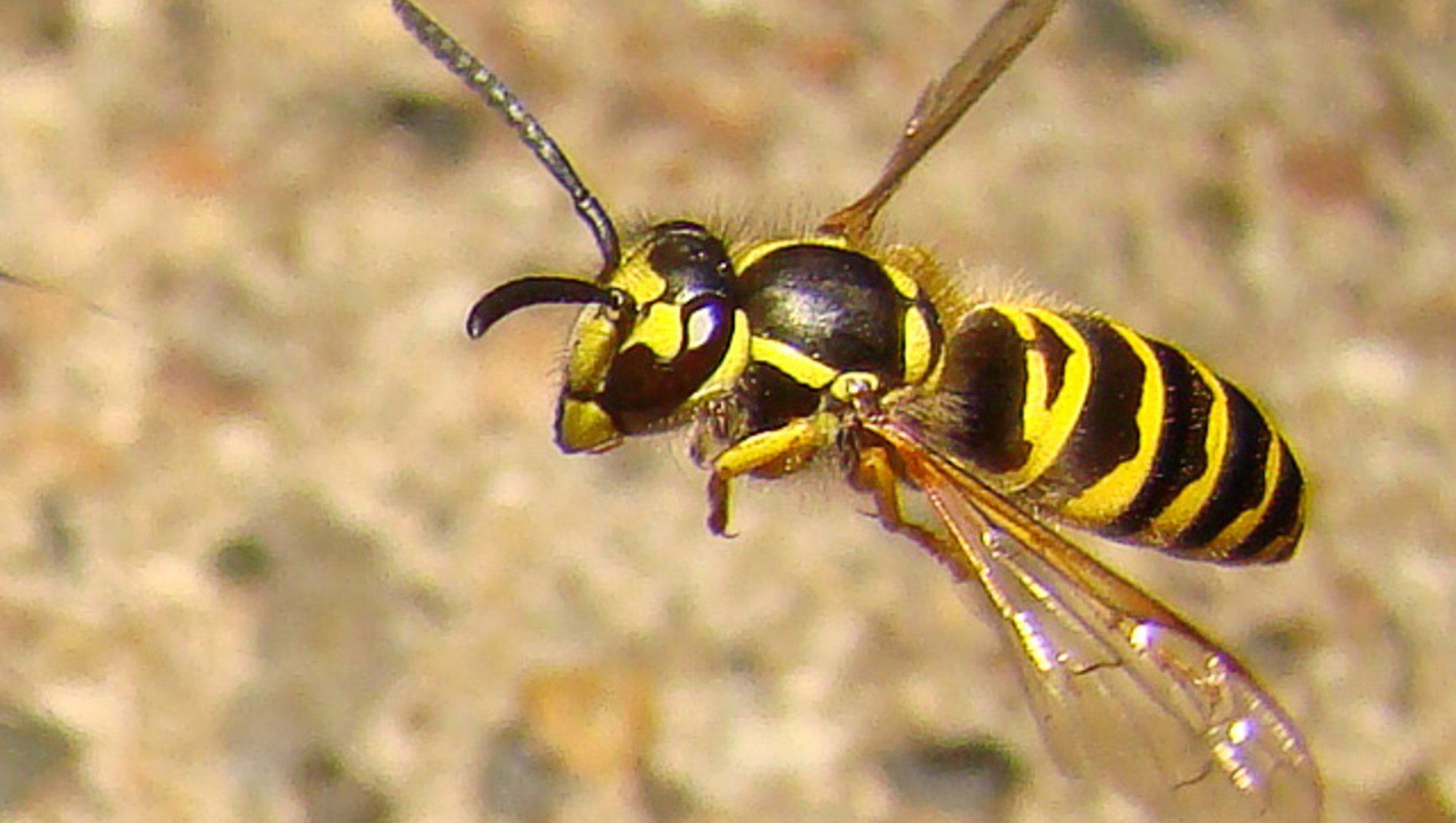
It is the species "common and German wasp" that is tested in this project.
The aim of the activities is to create a new biological solution for sustainable plant protection. The researchers behind this project have previously succeeded in using ants for biological control of pests in apple orchards, but in relation to other crops we need organisms with a longer range than ants, so that they can reach the center of large fields. The wasps can do that because, unlike the ants, they can fly. If successful in using wasps to control the larvae, it will give organic growers yet another tool to achieve sustainable plant protection and save our environment from large amounts of plastic.
Wasps are not only suitable for cabbage protection. They are expected to work in other crops and against many pests. This project is a step toward making biocontrol successful in open systems, as it has been in greenhouses. In these closed systems, biocontrol has outcompeted chemical control. Even a small outdoor step in that direction will have high impact due to the large areas of open fields compared to greenhouses. It may be a step that push conventional outdoor growers in the direction of organic methods with all the green impacts that follow.
| WaspAlliance step by step |
|---|
|

Project leader

Joachim Offenberg
Senior researcher
Department of Ecoscience - Terrestrial Ecology, Aarhus University
joaf@ecos.au.dk
Project partners
Lise Lauridsen, Department of Ecoscience, Terrestrial Ecology, Aarhus Unversity
Hannne Lakkenborg Kristensen, The Department of Food Science, Aarhus University